
Going Gluten-Free Doesn’t Have to Be Torture in Fairlawn OH
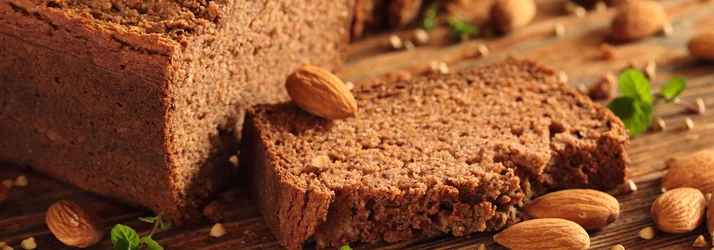
After 15 years gluten-free, Dr. Deanna Freedman shares how to make the transition easy, healthy, and delicious for the whole family in Fairlawn OH.
Understanding Celiac Disease vs. Non-Celiac Gluten Sensitivity
We’ve been gluten-free in our house for more than fifteen years—ever since we were trying to figure out why our firstborn was doubled over in pain with relentless gut issues. It turned out not to be Celiac Disease, which is diagnosed through genetic testing, but Non-Celiac Gluten Sensitivity (NCGS)—essentially Celiac-like symptoms without the genetic markers. And it turns out, he’s far from alone. According to a 2017 study in the World Journal of Gastroenterology, about 1% of the U.S. population has Celiac Disease, up to 6% has NCGS, and another 20% avoid gluten altogether for inflammatory or other health-related reasons.
So what’s the difference? Celiac Disease is an autoimmune disorder where gluten triggers the acute arm of the immune system to attack wheat proteins, leading to damage in the small intestine. Diagnosis typically includes both symptom evaluation and genetic testing for the HLA-DQ2 and HLA-DQ8 genes. Non-Celiac Gluten Sensitivity, on the other hand, isn’t autoimmune in nature. These individuals test negative for the Celiac genes, but exposure to gluten still triggers a response from the chronic arm of the immune system. The symptoms can look very similar—gut pain, bloating, reflux, constipation or diarrhea, and a host of inflammatory responses such as fatigue, brain fog, headaches, migraines, anxiety, or just a general sense of not feeling well.
Why Gluten Sensitivity Is So Common
Sound familiar? With as many as one in three people experiencing some level of difficulty digesting wheat proteins, it’s no surprise that gluten often plays a role in chronic inflammation and hormone imbalance. That’s why I recommend all of my patients at least try a strict gluten elimination protocol—it’s one of the simplest and most effective ways to reduce inflammation, support hormonal balance, and jumpstart sustainable weight loss.
The Two-Week Inflammation Cycle
Now, I know what you’re probably thinking: “Come on, Doc, no bread, no pasta, no baked goods—ever? What about birthdays or holidays?” I get it. The idea of giving up gluten completely can feel daunting. But here’s why it matters: the immune system works on roughly a two-week inflammation and healing cycle. If you eat gluten even once a week as your “treat,” you’re retriggering inflammation every seven days. That means your body never gets a full two-week cycle of repair, and your immune system stays on high alert all the time. In other words, you’re constantly in a state of low-grade inflammation without realizing it.
The fix is to commit to a full thirty days. The first two weeks allow your body to clear inflammation; the next two allow it to rest and rebuild. For many people, that’s when they begin to feel a real difference—more energy, less bloating, better sleep, clearer thinking, and an overall sense of calm and well-being.
The Science Behind Going Gluten-Free
And the science backs it up. Gluten-free diets have been shown to help those with autoimmune conditions (Lerner et al., 2017), improve symptoms of endometriosis (Marziali et al., 2012), enhance gut health and reduce symptoms of irritable bowel syndrome (Makharia et al., 2015), promote healthier weight management and metabolic balance (Kim et al., 2017), and reduce chronic inflammation by improving gut barrier integrity (Fasano, 2020). That’s a lot of benefit from one simple change.
Gluten-Free Living: Then and Now
When our family started this journey fifteen years ago, gluten-free options were awful—gritty, dry, and flavorless. Thankfully, things have changed dramatically. There are so many great brands now that truly taste like their traditional counterparts. Some of our favorites include Jovial for brown rice pasta, O’Dough’s for bagels and specialty buns, Schar for sandwich bread, and Absolutely! for gluten-free crackers.
This article contains affiliate links for your convenience. If you click and make a purchase, I may earn a small commission at no extra cost to you. This is how I’m able to continue bringing you this content for free, so thank you for your support!
Choosing the Right Gluten-Free Flours
Even with so many good store-bought options, I still believe the best and most nourishing foods are the ones we make at home. But there’s a big difference between starch-based gluten-free flours—like white rice, cornmeal, or potato starch—and more nutrient-dense, anti-inflammatory ones. While starch-based flours are technically gluten-free, they can still cause blood sugar spikes and contribute to inflammation (Cleveland Clinic).
Instead, I recommend nut- and root-based flours, which are naturally low-glycemic and packed with healthy fats. My personal pantry staples include almond, coconut, arrowroot, and tapioca flours. They’re versatile, anti-inflammatory, and perfect for making everything from pancakes to pizza crusts. They help regulate blood sugar, improve omega balance, and support heart health. And here’s a secret—our house guests are always surprised when they find out our desserts are gluten-free. I haven’t had a single complaint yet! (Well, except for that one time my dad realized I’d swapped mashed potatoes for mashed cauliflower—but that’s a story for another day.)
The Joy of Gluten-Free Living in Fairlawn OH
Going gluten-free isn’t a punishment, and it definitely doesn’t mean giving up joy or flavor. It’s about giving your body a chance to rest, recover, and perform at its best. The payoff—in energy, mental clarity, and overall health—is worth every bite of transition. Stay tuned here on Peak Akron Life as I share some of our family’s favorite gluten-free recipes, baking swaps, and anti-inflammatory living tips to help you feel your best.
To your best health,
Dr. Deanna Freedman
References:
- Igbinedion SO et al. World J Gastroenterol. 2017;23(40):7201–7210.
- Lerner A, Shoenfeld Y, Matthias T. Nutr Rev. 2017;75(12):1046–1058.
- Marziali M et al. Minerva Chir. 2012;67(6):499–504.
- Makharia A et al. 2015;7(12):10417–10426.
- Kim HS et al. Dig Dis Sci. 2017;62(9):2440–2448.
- Fasano A. 2020;9:F1000 Faculty Rev-69.
- Cleveland Clinic: Foods That Can Cause Inflammation

OFFICE HOURS
Monday
8:00am - 12:00pm
3:00pm - 6:00pm
Tuesday
8:00am - 12:00pm
3:00pm - 6:00pm
Wednesday
8:00am - 12:00pm
3:00pm - 6:00pm
Thursday
8:00am - 12:00pm
3:00pm - 6:00pm
Friday
8:00am - 12:00pm
3:00pm - 6:00pm
Saturday & Sunday
Closed

Peak Family Chiropractic
132 Merz Boulevard
Fairlawn, OH 44333